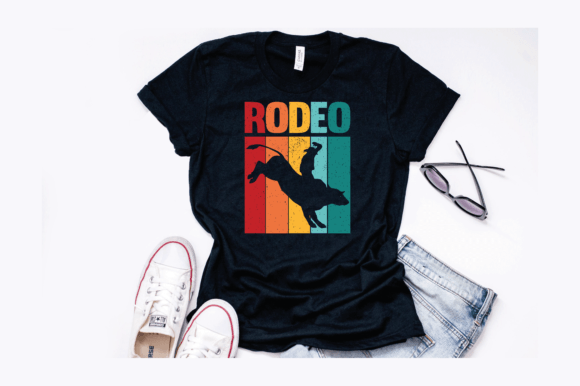
Vintage Rodeo Bull Rider Design: Capturing Western Spirit
There’s something timeless about the rugged charm of the American West—the grit, the freedom, the untamed spirit of the open range. For designers, crafters, and small business owners, capturing that authentic Western vibe in a project can be a challenge. You need imagery that feels real, not generic. That’s where a thoughtfully crafted asset like the Vintage Rodeo Bull Rider Design comes into play. It’s more than just a clip art file; it’s a piece of storytelling, a versatile visual anchor that can bring a powerful narrative to everything from a simple t-shirt to a full branding campaign.
More Than Just a Graphic: Understanding the Appeal
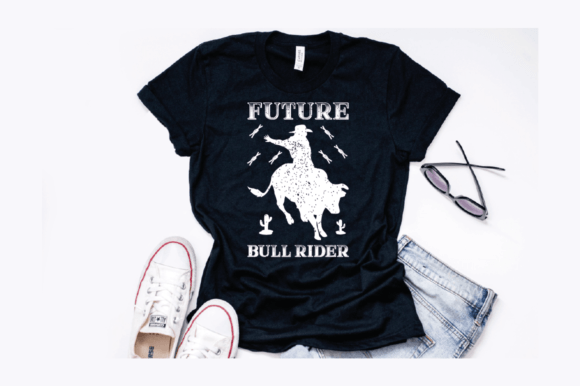
At its core, this design package is built for creators who value both aesthetics and practicality. The artwork itself features a classic bull rider silhouette, rendered with the kind of detailed linework you’d expect from vintage rodeo posters or old Western signage. It evokes a sense of history and authenticity that modern, overly polished graphics often lack. This isn’t a flat, lifeless icon. It has texture, movement, and a story baked right into its composition. For a small business selling Western wear, a blogger covering country lifestyle, or an entrepreneur creating a line of merchandise, this design acts as a visual shorthand for durability, adventure, and tradition.
The real value, however, lies in its delivery. The package includes AI, EPS, SVG, and high-resolution PNG files. This isn’t just a list of formats; it’s a toolkit for endless application. The vector files (AI, EPS, SVG) mean you can scale the design to the size of a billboard without losing a single detail. The high-resolution PNG (4500x5400 pixels at 300 dpi) is perfect for immediate use in print-on-demand services or social media posts without any hassle. You’re not just buying an image; you’re investing in a flexible asset that can grow with your project, whether you’re printing on a ceramic mug or engraving it onto leather.
From Digital File to Tangible Product: Real-World Uses
So, how do you actually use something like this? The applications are surprisingly diverse, moving far beyond the obvious. Let’s break down the practical side.
For the merchandise creator, this design is a goldmine. It’s perfect for sublimation printing on t-shirts, hoodies, and hats. The detailed line art translates beautifully to mugs, pillows, and tote bags. Imagine a set of coasters for a local honky-tonk or a series of posters for a rodeo event—the design provides instant thematic cohesion. Because the files are ready for cut machines, you can also create vinyl decals for car windows, laptop stickers, or even iron-on transfers for custom work shirts.
For the brand strategist or small business owner, think of this as a foundational element for brand identity. A vintage-inspired graphic like this can anchor a logo for a Western-themed restaurant, a craft brewery, or a line of artisanal leather goods. It can be used on packaging to give products an authentic, handcrafted feel. On a website or blog, it serves as a compelling hero image or a recurring motif that reinforces brand recognition. The key is consistency; using the same powerful visual across your social media graphics, your product tags, and your marketing materials builds a memorable and professional image.
Even for event planners and content creators, the utility is clear. Designing invitations for a ranch wedding, a birthday party with a Western theme, or a community fundraiser? This design sets the tone immediately. For social media managers, it’s a standout asset for Instagram posts, Facebook covers, or Pinterest pins that need to grab attention in a crowded feed. It’s a creative font for the eyes—a visual element that communicates personality faster than words alone.
Making It Work: Practical Design Considerations
Having a great asset is one thing; using it effectively is another. Here’s some practical advice for integrating this kind of design into your workflow.
Context is King. Always consider your end product and audience. A bold, detailed graphic like the bull rider works brilliantly as a large centerpiece on a poster or t-shirt. On a business card or a website header, you might need to use it more sparingly—as an accent icon or a watermark. Test how it looks at different sizes. The vector files make this experimentation easy.
Pairing with Typography. This design has a strong, vintage personality. The fonts you choose to accompany it should complement, not compete. A rugged serif font or a bold sans-serif with a slight Western flair can work well for headlines. For body text, a clean, highly readable sans-serif ensures your message isn’t lost. Avoid overly delicate or modern script fonts that might clash with the design’s rustic character. Think of the design and your chosen typeface as partners telling the same visual story.
Color and Simplicity. The design is often most impactful in a single color—black on white, white on denim, or a rich brown on kraft paper. This simplicity enhances its vintage feel and ensures versatility. When adding color, consider a muted, earthy palette that echoes the Western landscape: burnt sienna, dusty sage, cream, and charcoal. Let the design breathe; don’t clutter it with too many competing elements.
A Final Thought on Creative Assets
In a world saturated with generic stock art, finding a design with genuine character and professional-grade files can save you countless hours and elevate your work from amateur to polished. The Vintage Rodeo Bull Rider Design is a prime example of a resource that understands the needs of modern creators. It’s not just about having a pretty picture; it’s about having the right tools—scalable vectors, high-res bitmaps, and a clear commercial license—that empower you to execute your vision across any medium. Whether you’re building a brand from the ground up or adding a standout piece to your next project, assets like this provide the visual horsepower to get the job done with authenticity and style.